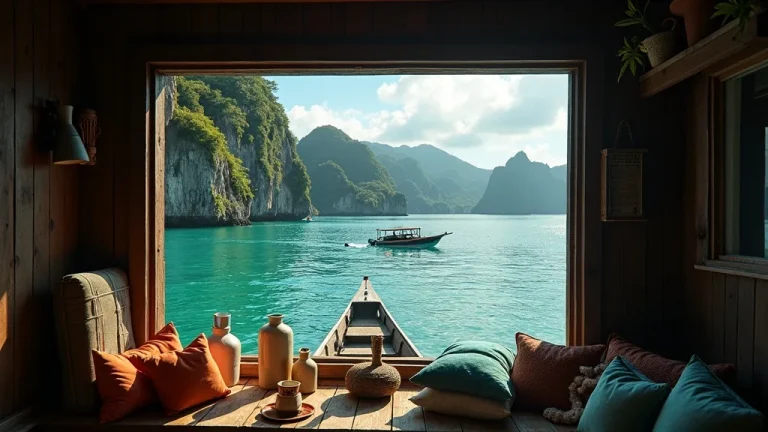

Yes — Raja Ampat is good for non-divers, and for many mixed-group travelers it turns out to be one of the best multi-day destinations in Indonesia. The same turquoise bays, limestone islands, and healthy reef systems that put Raja Ampat on every diver’s bucket list are just as rewarding from the surface, the trail, or the deck of a boat. On a well-planned Raja Ampat cruise, non-divers can snorkel over the same coral gardens the divers are exploring below, kayak through hidden lagoons, hike up to iconic viewpoints, spot birds-of-paradise at dawn, and visit traditional villages — often on the exact same itinerary as the divers in their group.
Is Raja Ampat Good for Non-Divers?
As of 2026, Raja Ampat is arguably better suited to mixed diver and non-diver groups than most liveaboard destinations in Southeast Asia, simply because so much marine life sits in shallow water. Reef flats around the Dampier Strait, the sheltered bays of Waigeo, and the lagoons of Misool are shallow and calm enough for confident snorkelers to see reef sharks, turtles, schooling fusiliers, and — at the right time and tide — manta rays without ever putting on a scuba tank. Add in jungle-covered karst islands, a handful of accessible viewpoint hikes, and villages that welcome day visits, and the region stops being a “divers-only” destination and becomes a genuine adventure-travel one.
That said, being good for non-divers doesn’t mean identical to a beach resort holiday. Raja Ampat is remote, boat-based, and most days revolve around the water. Travelers who are comfortable with small boats, sun, and a slower island pace tend to enjoy it the most, while non-divers looking for a purely land-based, resort-style trip may want to combine it with time in Bali before or after.
What Can Non-Divers Actually Do in Raja Ampat?
Snorkeling Over World-Class Reefs
Snorkeling is the single best substitute for diving in Raja Ampat, and in several locations it barely feels like a substitute at all. Shallow bommies near Cape Kri and the fringing reefs around the Dampier Strait sit within a few meters of the surface, so snorkelers often see the same reef sharks, napoleon wrasse, and dense schools of fish that divers photograph below. At Manta Sandy, snorkeling alongside a cleaning station is a well-known non-diver highlight when mantas are present and conditions allow a boat to position safely on the surface. A good cruise operator will build at least one snorkel stop into almost every day, rotating between reef, lagoon, and open-water sites depending on conditions.
Birdwatching for Birds-of-Paradise
Raja Ampat’s forests are as famous among birders as its reefs are among divers. Waigeo island is one of the most reliable places on earth to see the Wilson’s bird-of-paradise and the red bird-of-paradise displaying at their forest leks, usually on an early-morning walk from a village guide before the heat sets in. This is a land-based activity non-divers can do while the diving group is doing an early dive, making it a natural way to split a mixed group’s morning without anyone missing out.
Kayaking Through Lagoons and Mangroves
Many liveaboards now carry kayaks or paddleboards, and Raja Ampat’s calm, karst-lined bays — especially around Kabui Bay near Waisai and the hidden lagoons of Misool and Wayag — are close to ideal for paddling. It is quiet, low-effort, and lets non-divers explore inlets that are too shallow for the main boat, often turning into the most-photographed hour of the whole trip.
Village Visits and Cultural Encounters
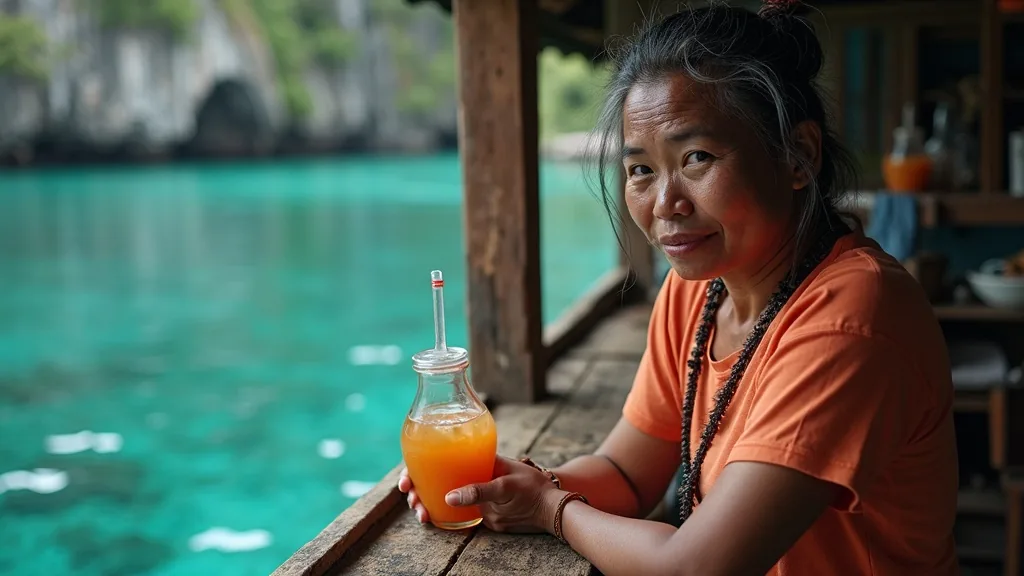
Stops at villages such as Arborek or Sawinggrai give non-divers a grounded, cultural counterpart to the marine activities — walking through a stilt village, meeting local families, seeing handwoven crafts, and learning how communities here manage their own reefs. These visits are typically built into the itinerary regardless of whether guests are diving that day, and they are a good moment to remember that the marine park conservation permit (PIN) that every visitor holds directly supports this kind of community stewardship.
Viewpoint Hikes: Piaynemo and Wayag
The short, steep wooden staircases up to the Piaynemo and Wayag viewpoints are the most-photographed moments in Raja Ampat, and neither requires diving or even swimming — just reasonable fitness for ten to fifteen minutes of steps. The reward is the postcard view of scattered limestone islands sitting in turquoise lagoons, and it is usually the highlight non-divers mention first when describing the trip afterward.
Best Itinerary for Mixed Diver and Non-Diver Groups
Most Raja Ampat liveaboard cruises run six to eight days out of Sorong, the region’s main gateway, with a short ferry or speedboat connection to Waisai on Waigeo island before boarding. Itineraries generally split into two routes, and each suits non-divers a little differently.
| Route | Best for non-divers because | Typical length |
|---|---|---|
| North (Dampier Strait & Wayag) | Shallow, calm snorkel sites close to anchorages; the Piaynemo and Wayag hikes; birdwatching access from Waigeo villages; shorter open-water crossings | 4–7 nights |
| South (Misool) | Sheltered private lagoons ideal for kayaking, secluded beaches, quieter island-hopping, fewer other boats — though crossings from Sorong are longer | 6–8 nights |
For a group that includes both divers and non-divers, the north route is often the easier starting point: distances between anchorages are shorter, so non-divers get more daylight hours for hikes, kayaking, and snorkeling rather than time spent cruising between sites. Misool rewards travelers who want a quieter, more secluded feel and don’t mind a longer transfer. Many cruise operators, including our own Raja Ampat cruise itineraries, can also combine both regions on longer eight-day-plus routes for guests who have the time.
When to Go and How to Get There
The best season for both diving and non-diver activities runs from October through April, when seas are generally calmer and visibility is at its best; the shoulder months of October–November and March–April often combine good conditions with fewer boats. All visitors — diver and non-diver alike — need the Raja Ampat Marine Park entry permit (PIN), which is arranged before or on arrival and funds local conservation and community programs; ask your operator to confirm current requirements for your travel dates, as procedures are reviewed periodically. The standard gateway is a flight into Sorong, followed by a public ferry or private speedboat transfer to Waisai, where most liveaboards begin and end their cruises.
Cabin Share or Full Charter for Non-Divers?
This is the practical question most mixed groups face once they’ve decided Raja Ampat is good for non-divers on paper. On a shared-cabin liveaboard, the daily schedule is built primarily around the divers’ dive sites, and non-divers snorkel, kayak, or hike alongside those stops — comfortable, but with less flexibility to swap an activity out. On a full boat charter, the itinerary can be rebuilt around the group’s actual mix: more snorkel and hiking time on days when several guests aren’t diving, an extra village or birdwatching morning, or a slower overall pace. Charter rates vary by boat size, season, and route, so treat any figure you see as indicative only and confirm current pricing directly with the operator for your dates and group size.
For families, honeymoon couples with one diver, or friend groups where only some people are certified, a full or partial charter is usually the more comfortable route precisely because it removes the guesswork — the crew already knows in advance which days need a dive plan and which need a snorkel-and-hike plan.
Planning a Non-Diver-Friendly Raja Ampat Cruise
Raja Ampat is good for non-divers who come prepared for a boat-based, nature-focused trip rather than a resort holiday — and for the right traveler, that is exactly the appeal. The combination of shallow-water snorkeling, birdwatching, kayaking, village visits, and viewpoint hikes means a non-diver’s days can be just as full as a diver’s, often on the very same route.
As part of Juara Holding Group — operating from Bali across Indonesia since 2015 — our team can help build an itinerary that balances diving days with non-diver activities, recommend whether a cabin share or full charter fits your group better, and confirm current permit and season details for your travel window. Reach out on WhatsApp at +62 811-3941-4563 or email bd@juaraholding.com to start planning your Raja Ampat cruise.