
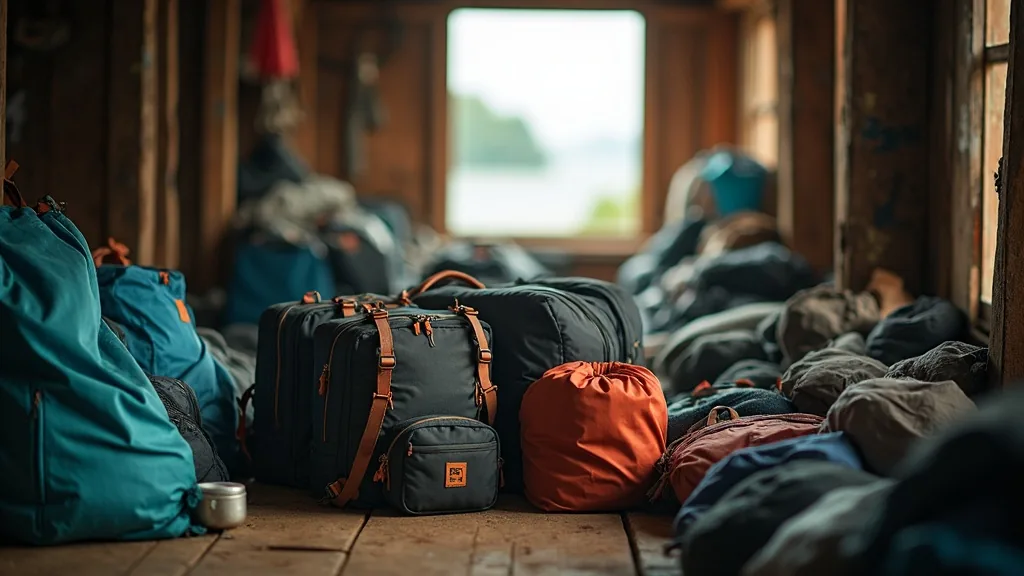

How do I pack for a Raja Ampat liveaboard? Pack light, quick-dry layers for a hot, humid equatorial climate, bring your own mask, snorkel, and fins even when gear rental is offered onboard, add reef-safe sunscreen and a dry bag for tender rides, and keep your park permit (PIN) card somewhere you can reach in seconds. Cabins on a liveaboard are small, so a soft duffel bag beats a hard suitcase for almost everyone.
Raja Ampat trips run differently from a resort holiday. Guests fly into Sorong, the main gateway to the archipelago, then either board the boat directly from the harbor or transfer to Waisai on Waigeo island depending on the itinerary. From there, a typical liveaboard spends six to eight days moving between dive and snorkel sites, with land stops for short hikes at Piaynemo and Wayag. What you bring shapes how those days feel, so the checklist below follows what you will actually do on the boat rather than a generic tropical packing list.
How Do I Pack for a Raja Ampat Liveaboard? Start With the Climate
Raja Ampat sits almost on the equator. Expect daytime temperatures in the low-to-mid 30s Celsius year-round, high humidity, and sun strong enough to burn on an overcast day. As of 2026, most operators still point guests toward the October to April window as the more settled season, with calmer seas and better underwater visibility around the Dampier Strait in the north. The shoulder months can bring short, heavy downpours, so a rain layer earns its space in the bag no matter when you travel.
- Lightweight, quick-dry clothing. Synthetic or technical fabrics dry overnight in the cabin; cotton often does not.
- A rash guard or long-sleeve top for sun protection during long snorkel sessions.
- A packable rain jacket for tender transfers and sudden squalls.
- A warm layer. Cabins and dive decks can feel cold after a warm dive.
- Reef-safe sunscreen. Raja Ampat’s marine park rules exist to protect the reefs you came to see.
What Should Divers Pack for a Raja Ampat Liveaboard?
Most liveaboards operating in Raja Ampat supply tanks, weights, and often a 3mm or 5mm wetsuit for hire, but gear that touches your face and feet is worth bringing yourself. A mask that seals, fins sized to your feet, and a dive computer you already know how to read remove three common sources of frustration on a dive trip.
- Mask, snorkel, and fins fitted to you; rental fin sizing varies a lot between boats.
- Dive computer and a spare battery, if your model allows one.
- A 3mm or 5mm wetsuit, or a rash guard and board shorts for warmer stretches. Currents in the Dampier Strait can bring cooler water even in a warm month.
- Dive log, certification card, and insurance details in a waterproof pouch.
- A save-a-dive kit: spare mask strap, o-rings, and a small multi-tool.
- A reef hook for current-swept sites near Cape Kri or similar channels, used only where the operator permits it.
Packing for a Raja Ampat liveaboard as a diver also means planning for camera gear. Bring extra batteries and memory cards if you shoot underwater. Charging stations on a shared boat fill up fast, and replacement gear is not available mid-trip.
What Should Snorkelers Bring?
Raja Ampat rewards snorkelers as much as divers. Shallow reef flats near Manta Sandy and the calm bays around smaller islands often work just as well from the surface. Bring your own snorkel set for the same fit reasons as above, plus:
- A snug-fitting mask, tested in a sink before you leave home. A mask that fogs or leaks ruins a session fast.
- Neoprene socks or reef shoes for wading near rocky shorelines.
- A full-length rash guard or thin wetsuit top; hours in the sun and water add up.
- A waterproof phone case or action camera for capturing manta encounters from the surface.
What About Hiking Gear for Wayag and Piaynemo?
Two of Raja Ampat’s most photographed views, the karst lookout at Piaynemo and the summit trail on Wayag, both involve short but steep climbs over limestone steps and wooden ladders. The walk itself runs 15 to 30 minutes each way, but the terrain is uneven and can turn slippery after rain.
- Closed-toe shoes with real grip; the sandals you wear on deck will not do here.
- A small daypack for water, a camera, and dry footwear for after the climb.
- A hat and extra sunscreen; there is little shade on the ascent.
- A reusable water bottle, filled generously given the heat and humidity.
Should You Rent Gear or Bring Your Own?
The honest answer mixes both. Bulky, boat-supplied items make sense to rent: tanks, weights, and often wetsuits are heavy to fly with and easy to hire locally. Personal-fit items are worth carrying yourself, since masks, fins, snorkels, and dive computers perform better when they are yours. Rental availability and condition vary between operators, so confirm what is included before you fly rather than assuming a specific brand or spec will be waiting on board.
Guests booking through our Raja Ampat liveaboard cruises can ask our team in advance exactly what gear their chosen boat provides, so nothing is left to guesswork on departure day.
North vs South Itinerary: Does It Change What You Pack?
Northern routes through the Dampier Strait, around Wayag, and the Fam Islands involve more current-exposed dive sites and pockets of cooler water, which pushes many divers toward a thicker wetsuit and a reef hook. Southern routes into Misool cover more remote, slower sailing with long stretches between islands, so pack extra reading material and a bit more patience for longer transit days. Both regions call for the same base kit; the difference sits in degree, not category.
What Documents and Extras Do You Need?
A few non-gear items matter as much as your wetsuit.
- Raja Ampat Marine Park entry permit (PIN). A physical card required to enter the park and checked at various points; keep the original with you, not packed away below.
- Cash in small denominations. Waisai and Sorong have limited ATM access, and remote islands run on cash.
- Personal medication in original packaging, plus a basic seasickness remedy for the crossing to and from Sorong.
- A dry bag for phones, passports, and cash during tender transfers between the boat and shore.
- A universal power adapter and a portable charging brick, since outlets on board are often shared.
Cabin Storage Realities: What Actually Fits
Liveaboard cabins in Raja Ampat are compact by design: a bunk or double bed, a small wardrobe or shelf unit, and limited under-bed storage. A large hard-shell suitcase rarely fits anywhere useful and often blocks floor space for the whole trip. A soft duffel that collapses when empty stores far more easily, and packing cubes keep dive gear separate from dry clothing in a space where everything sits a few steps from everything else.
Wet gear needs airflow more than it needs a container. Mesh bags for masks, fins, and wetsuits dry faster than sealed dry bags in a humid cabin with little ventilation. Laundry service, where offered, is usually basic, so pack enough quick-dry underwear and shirts to cover a six-to-eight-day trip without relying on it.
Storage also depends on how you book. Guests sharing a cabin on a scheduled departure generally have less personal space and benefit from tighter packing discipline, while a full cabin booking or a private charter of the whole boat usually frees up common areas for gear, camera setups, and drying lines. If storage matters to your group, ask about cabin configuration before you book rather than after you arrive.
A Simple Packing Checklist by Activity
| Category | Bring Yourself | Usually Available to Rent |
|---|---|---|
| Diving | Mask, fins, dive computer, save-a-dive kit | Tank, weights, wetsuit, BCD |
| Snorkeling | Mask, snorkel, reef shoes, rash guard | Snorkel fins (fit varies) |
| Hiking | Closed-toe shoes, daypack, hat | Not applicable |
| General | Dry bag, reef-safe sunscreen, meds, cash, PIN permit | Basic toiletries on some boats |
The short version of how you pack for a Raja Ampat liveaboard: bring what touches your body directly, pack it in something soft and collapsible, and let the boat handle the heavy equipment. Get that balance right and the rest of the trip, from the first descent at a site like Cape Kri to the manta cleaning station at Manta Sandy, comes down to being on time for the tender instead of digging through a suitcase.
Part of Juara Holding Group, operating from Bali across Indonesia since 2015, our team can match a packing plan to your specific route, cabin type, and season before you book. For itinerary advice, gear-rental questions, or help choosing between a shared cabin and a full charter, reach us on WhatsApp at +62 811-3941-4563 or by email at bd@juaraholding.com.
Before booking any boat, run the checks in how to choose a Komodo tour operator.