Menu
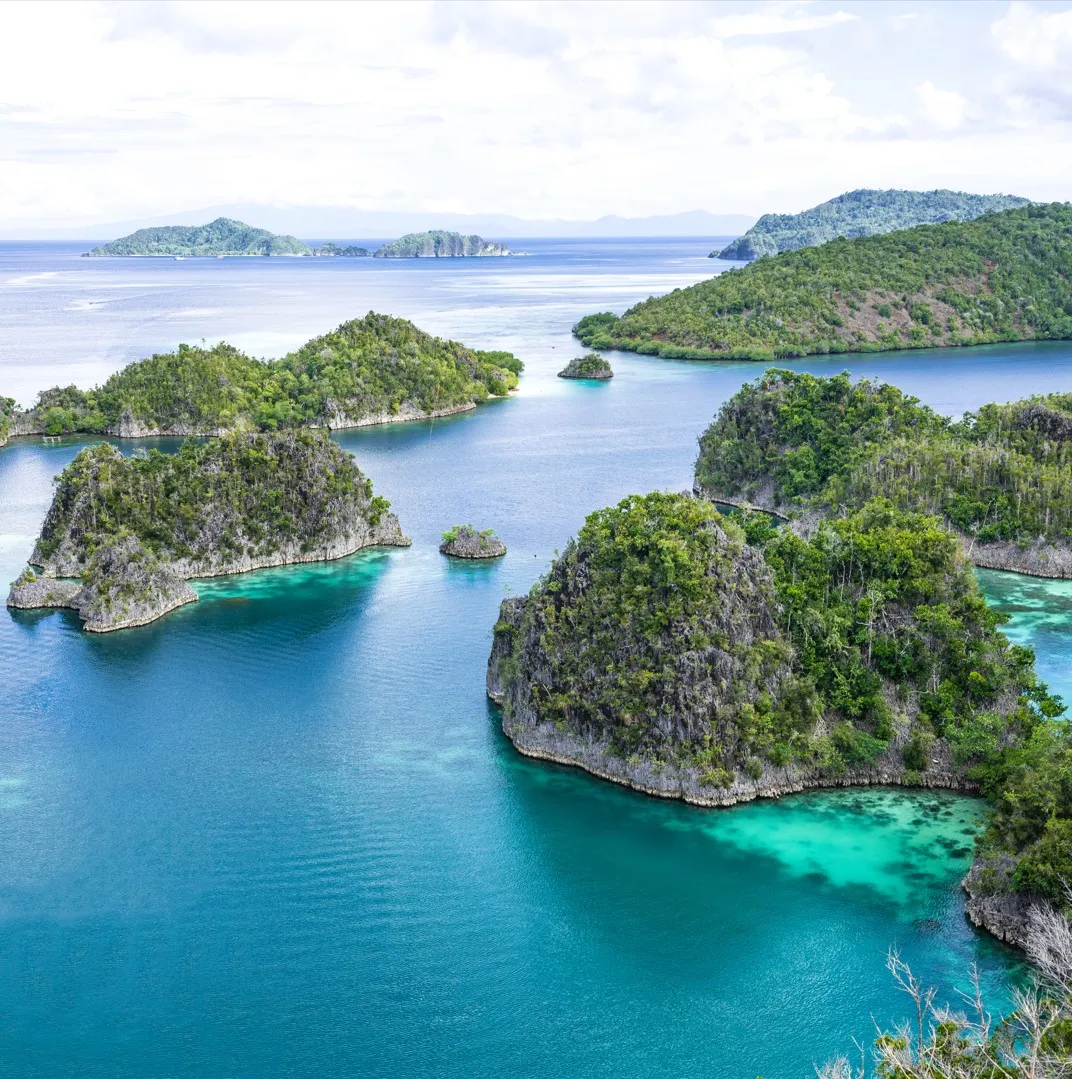
The shallow reefs around the islands host abundant fish, turtles, and corals — perfect for non-divers, families, and anyone who would rather float than tank up.
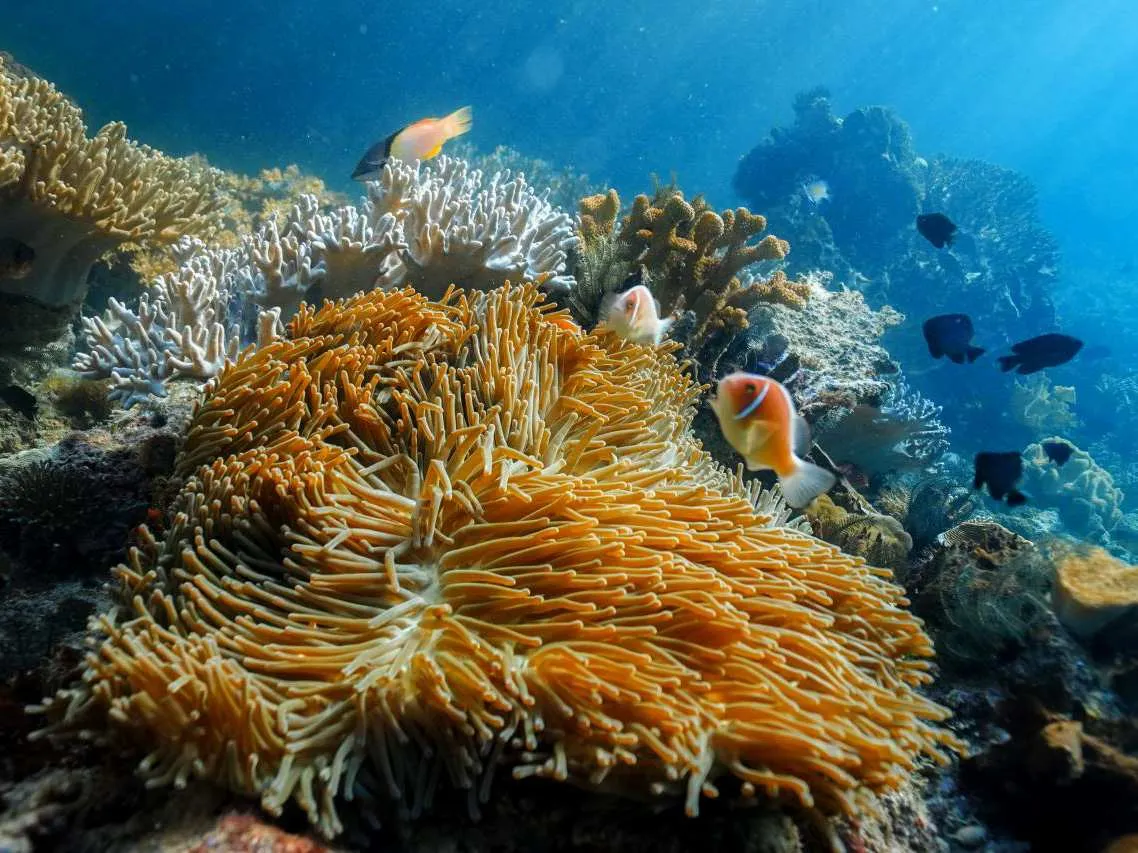
In Raja Ampat, the reef starts where the beach ends. You don't need a tank or a certificate — just a mask, fins, and a willingness to float. Many of the archipelago's best sites are 3–5 meters deep, alive with fish, turtles, and reef sharks visible from the surface.
Iconic spots like Yenbuba Jetty and Friwen Wall rival what divers see deeper down.
Shallow reef under a pier — turtles, jacks, sweetlips.
Drop-off wall of soft corals visible from the surface.
Schooling fusiliers and a healthy hard-coral garden.
Calm lagoon with abundant macro life and turtles.
Day fish and wobbegong sharks just off the beach.
Pristine hard-coral garden, easy 3–5m depth.
Branching, table, and brain corals just below the surface.
Anthias, parrotfish, butterflyfish, clownfish — thousands per dive.
Green and hawksbill turtles grazing on shallow seagrass.
Blacktip and whitetip reef sharks, often visible from the surface.
Seasonal at Manta Sandy — snorkel above as they cruise the cleaning station.
No experience required — just basic swimming ability. Many sites have shallow lagoons safe for beginners, with guides on hand.
Blacktip and whitetip reef sharks are non-aggressive and there are no recorded incidents involving snorkelers in Raja Ampat.
Yes — Manta Sandy is a famous cleaning station where mantas swim within metres of the surface. Best viewed October–April.
Yes on most tours. Quality varies — bring your own mask if you have a preferred fit.
Day tours, multi-day snorkeling cruises, or full liveaboards — tell us what you want, we'll build it.